Take a Piece of the Night Home: How a $2 Token Became the Smartest Souvenir in American Party Culture
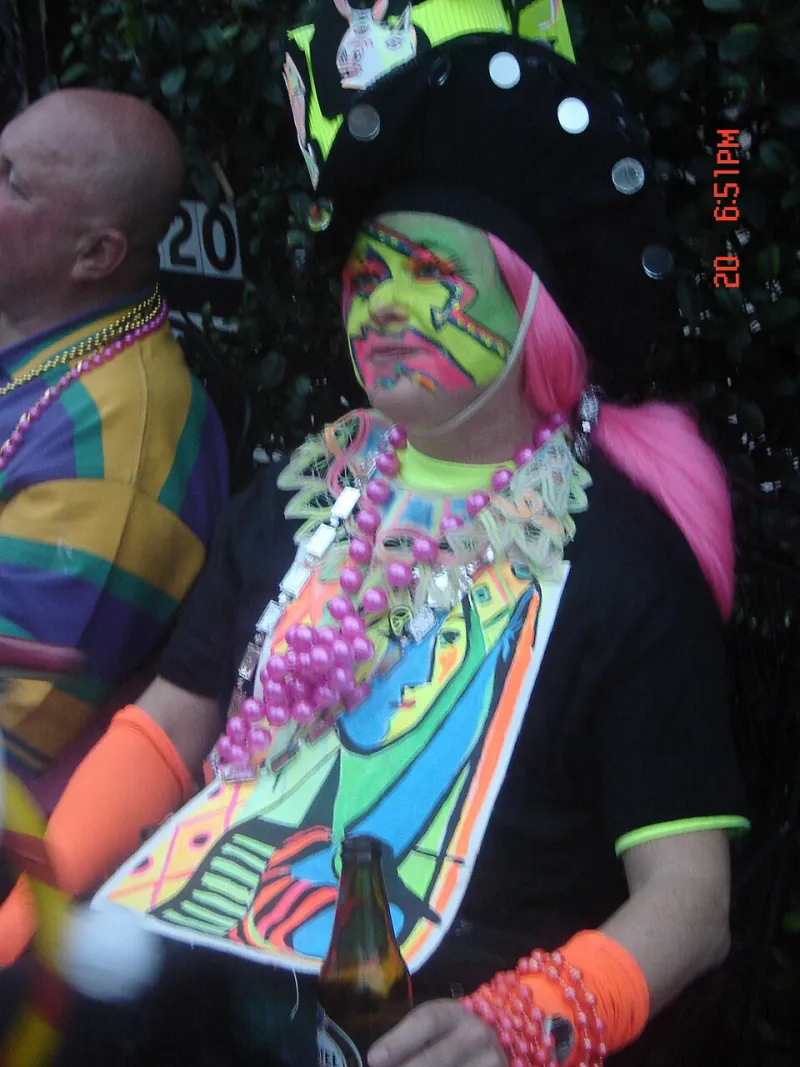
Photo: Michael Nyika, CC BY 2.0, via Wikimedia Commons
There's a moment at every great party that nobody plans for in the budget spreadsheets: the walk out. The music's fading behind you, your feet hurt, and you're holding something — a plastic bead necklace, a sticker, a koozie with a date printed on it. You didn't ask for it. You'll probably keep it anyway.
That little object is doing more work than most organizers realize. It's the difference between a night you attended and a night you kept.
The Wristband You Refuse to Cut Off
Ask around at any music festival in America and you'll find someone still wearing last summer's wristband — maybe two summers' worth, frayed and sun-faded like a friendship bracelet with a barcode. It makes no logical sense. It's a strip of woven polyester that once let you into a porta-potty line.
But that's the point. The wristband stopped being a ticket the moment the gates closed, and became proof: I was there.
This is the quiet psychology of the take-home token. Psychologists call it the endowment effect — we value things more once we own them — but party people have known it forever. Mardi Gras didn't become America's biggest party by handing out flyers. It became a national institution partly on the back of a strand of purple, green, and gold plastic that people haul out of attics every February like holiday ornaments.
From Wedding Flair to Festival Gold
The party favor has deep American roots. Your grandmother's wedding might have sent guests off with sugared almonds in tulle. Mid-century banquet halls handed out matchbooks with the couple's names embossed in gold. Then came the era of the customized koozie — arguably the most enduring piece of party engineering this country has ever produced.
Somewhere along the way, festivals and community events caught on. The best organizers stopped thinking of giveaways as an expense line and started thinking of them as a retention strategy.
"We spent about $2 a head on enamel pins our first year," one small-town festival organizer in Ohio told us. "People pinned them to jackets, to tote bags, to their car visors. By year three, strangers were showing up asking if we had a new pin. That's when it clicked — the pin was the ad. It walked around all year wearing our logo and never asked for a paycheck."
Why Small Tokens Beat Big Budgets
Here's the math that makes favors the best deal in event marketing: a social media ad might reach someone for two seconds before they scroll past. A fridge magnet reaches them every morning. A wristband reaches them every time they glance at their wrist — and reaches everyone at the gym, the coffee shop, the office, too.
The emotional math is even better. A favor says the organizer thought about the moment you'd leave, not just the moment you'd arrive. That's rare. Most events pour everything into the front door and treat the exit like a fire escape.
The fiestas people return to — the ones that become year-ten traditions instead of year-one flash-in-the-pans — understand that the goodbye is part of the show.
The DIY Guide: Parting Gifts for Every Budget
Ready to send your guests home with something they'll actually keep? Here's a tiered playbook.
Under $1 a head
- Custom stickers. Cheap, light, and people genuinely collect them. Slap your event name and year on a design worth keeping.
- Bead strands. Buy in bulk, hand them out at the exit, Mardi Gras style. Instant atmosphere, instant keepsake.
- Seed packets. "Thanks for helping us grow" printed on the front. Perfect for garden parties, block parties, and earthy community festivals.
$1–$5 a head
- Koozies with the date. The classic for a reason. Nobody throws away a koozie; they just accumulate in kitchen drawers like party fossils.
- Enamel pins or patches. The collector's play. Make a new design every year and you've built a reason to come back.
- Matchbox-style mini candy with a thank-you note. Old school, universally loved.
The splurge tier
- Commemorative cups for the event itself, then let guests take them home. Double duty: less waste during the party, more nostalgia after.
- Polaroid photos from a station near the exit. The guest walks out holding a physical memory of the night. Nothing beats it.
One Rule Above All
Whatever you choose, put the year on it. A favor without a date is a nice trinket. A favor with a date is a time capsule. And when your guests find it in a drawer three summers from now, mid-laugh, remembering the night — that's when your party truly starts working for you.
Every great fiesta ends the same way: someone at the door, handing out one more small thing. Take it. It's not clutter. It's the night, asking to come home with you.