The Person Behind the Booth: Why Festival Music Curation Is the Most Underrated Job in America
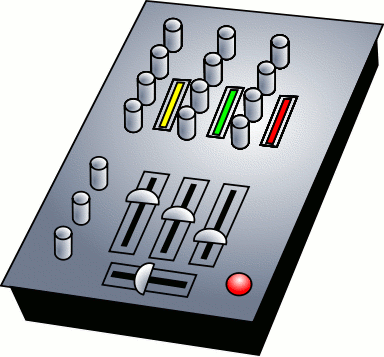
Photo: Paul Sherman, Public domain, via Wikimedia Commons
There's a moment at every great festival that nobody photographs. It's around 4:30 in the afternoon, when the crowd is sun-fried and the energy dips. The good events snap back. The mediocre ones don't. The difference, more often than not, isn't the headliner — it's the person who decided what played in that gap.
The Setlist Is a Story, Not a Shuffle
We caught up with Marisol Vega, a music director who programs three midwestern street festivals a summer, and she described her job in a way that stuck with us: "I'm not picking songs. I'm pacing a marathon."
Her day-of blueprint looks like a heart rate monitor. Mellow, warm sounds as gates open — think soul, indie folk, whatever makes people loosen their shoulders. A slow climb through the afternoon. A deliberate peak right as the headliner's fans arrive. Then the tricky part: the after-set, when half the crowd leaves and the other half wants to go feral. That's when the real curation happens.
"Anybody can play bangers," she told us. "Knowing when not to play a banger — that's the whole job."
Reading a Crowd Before It Knows What It Wants
Local DJs who anchor these events develop a sixth sense. Darius Cole, who's spun a small-town harvest festival in Kansas for eleven straight years, watches feet, not faces. "Faces lie," he laughs. "Feet don't."
His tell: the drink-line test. If people are wandering off to the beer tent during a set, the energy's leaking. If they're lingering at the edges of the dance floor, they're deciding. That's the window — one or two songs — to pull them in. Miss it, and you're playing to a parking lot of chit-chat for the next hour.
This is why the mega-festivals with algorithmic lineups still get outplayed by a 3,000-person town jubilee. A local curator knows that this crowd loved that one band at last year's event. They know the quinceañera crowd and the biker bar crowd need to be bridged, not separated. No streaming service knows that.
The Sunrise Problem
Here's something nobody talks about: the hardest set at any multi-day festival is the earliest one. Sunrise and morning slots are graveyard duty for most DJs, but great curators treat them as a blank canvas. Ambient textures, low-key funk, coffee-shop grooves that let people ease into day two. Do it right, and you build a cult following of early risers who swear the best music of the weekend happened before lunch.
Several smaller festivals have turned this into a signature — sunrise yoga sets, bacon-and-records brunches, quiet-hours listening sessions. It costs almost nothing and generates exactly the kind of word-of-mouth that money can't buy.
Why This Matters for Your Next Event
If you're throwing a block party, a fundraiser, or a hometown bash, steal the pros' playbook:
- Sequence, don't stack. Build energy like a rollercoaster with intentional dips, not a flat wall of loud.
- Hire the reader, not the résumé. A local DJ who's played your town for a decade will outperform a bigger name who can't read the room.
- Plan the gaps. The 4 p.m. slump and the post-headliner exodus are where parties die. Program those slots like they're headliners, because functionally, they are.
The next time a festival gives you goosebumps, look past the stage. Somewhere behind the booth is a person who planned that feeling weeks in advance, song by song, dip by dip. The playlist really is the party — and the party planner deserves the applause.