Nobody Throws a Second Party Without the Paperwork: A First-Timer's Confession
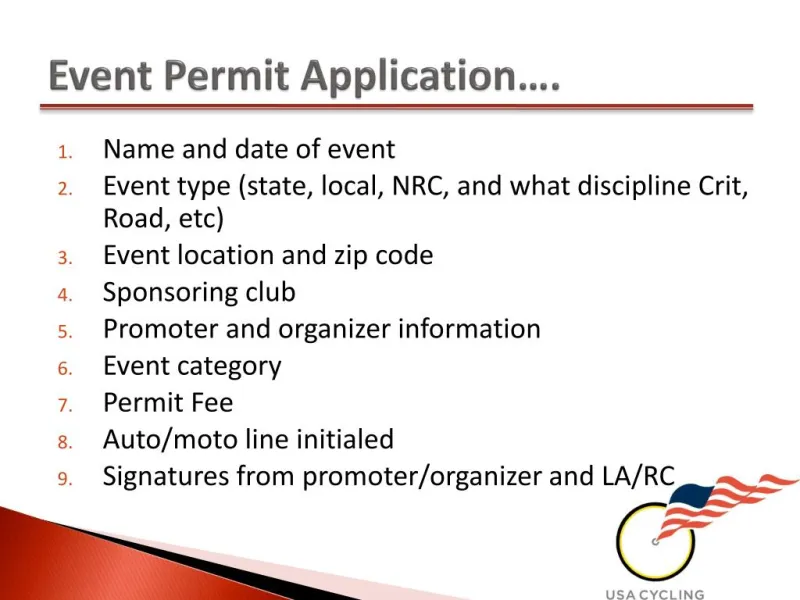
Photo: event permit paperwork clipboard festival organizer planning outdoor event, via image3.slideserve.com
Let me tell you about the best party I never attended.
It was supposed to be a neighborhood blowout in a mid-sized Ohio town — three blocks closed off, a locally famous taco truck, two live bands, a fireworks finale. The organizer, a friend of a friend, spent six weeks on it. Then, four days before the event, the city shut it down. No permit for the street closure. No amplified-sound variance. The fireworks? Not even a conversation worth having.
Six weeks of work, gone. And the wildest part? Getting the paperwork done would have taken two afternoons and maybe $300.
The Unglamorous Truth About Traditions
Here's my thesis, and I'll defend it at any cookout: the parties that become annual traditions aren't the ones with the best vibes. They're the ones with the best files.
Look at the small-town festivals that have run for decades — the county fairs, the harvest jamborees, the Fourth of July celebrations where the whole town shows up. Ask any of their organizers what the secret is and they won't say the band or the raffle. They'll mutter something about their event liability policy and their relationship with the city clerk.
That's because paperwork is memory. A permit application forces you to answer the questions that would otherwise end your event at 8 p.m.: How many people? Where are they parking? Who's liable if someone twists an ankle on your dance floor? What time does the music stop?
The Big Four: Permits, Noise, Insurance, Fire
Most first-time organizers hit the same four walls, so let's name them.
Permits. If you're using public space — a park, a street, a plaza — you need an event permit, full stop. If you're charging admission or selling food, add vendor and health permits. If you're amplifying sound in a public space, that's usually a separate approval.
Noise ordinances. Every municipality has a quiet-hours cutoff, and they vary wildly. Some towns want the music off by 10 p.m.; entertainment districts in bigger cities will let you run until 2 a.m. with a variance. Call your city clerk's office before you book the band, not after.
Insurance. This is the one that feels optional until it isn't. Special event liability insurance for a one-day gathering often runs $150 to $500 — cheap compared to a single ambulance-chaser letter. Many cities won't even issue a permit without proof of coverage. If you're serving alcohol, you'll need liquor liability on top, or a licensed caterer who carries it.
Fire and safety. Open flames, pyrotechnics, food trucks with propane, crowds over a certain size — the fire marshal wants to know. Consumer fireworks are flat-out illegal for private use in many states, including large chunks of the Northeast and parts of the West. That drone light show everyone's posting? Often easier to permit than the fireworks your uncle keeps suggesting.
A Rough State-by-State Reality Check
I can't fit fifty state codes in one column, but here's the cheat sheet version:
- Texas and much of the South: Consumer fireworks are broadly legal outside city limits, but almost always banned inside them. Check your city's map.
- California: Fireworks bans are the norm in most cities; "safe and sane" fireworks are legal only in designated municipalities.
- New York and New Jersey: Consumer fireworks are effectively off the table — budget for a licensed professional show.
- Noise: Rural counties tend to be lenient; college towns and dense suburbs tend to be strict. When in doubt, assume your neighbors can hear everything.
- Alcohol: Many states allow BYOB at private events but require special licenses the moment you sell a cup. Selling tickets to a party with an open bar is where organizers get burned.
Rules shift and local ordinances override state patterns, so treat this as a starting point, not legal advice. Your city clerk, unglamorous as the office may be, is genuinely your best friend here.
Boring Now, Legendary Later
I get why this stuff feels like a buzzkill. Nobody starts planning a fiesta dreaming about certificates of insurance. But the paperwork is what buys you next year. The organizers with the files are the ones who get invited back to the same park, who have a vendor list that works, who know exactly which noise variance to file and when.
The party without paperwork is a one-night wonder. The party with paperwork is a tradition. And traditions, as anyone who's ever stood in a crowd at a beloved annual festival knows, are where the real celebration lives.