Tacos at 2 A.M.: The Unsung Food Trucks Powering America's Late-Night Festival Culture
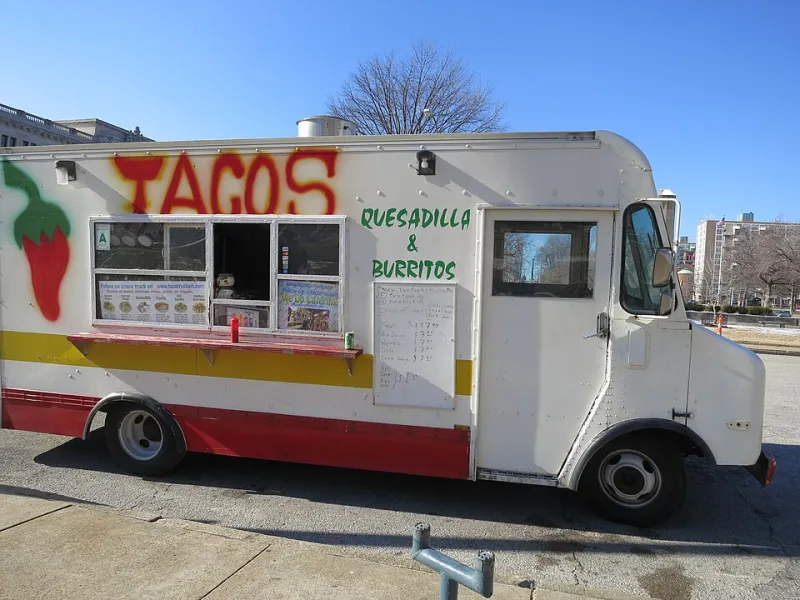
Photo: Paul Sableman, CC BY 2.0, via Wikimedia Commons
There's a moment at every great festival that nobody puts on the poster. It's around 1:45 a.m. The headliner has walked off stage, the lights are coming up, and a few thousand people are standing around wondering if the night is over.
It isn't. Not even close.
Because that's when the line at the taco truck starts forming.
The Real Headliners Don't Play Stages
Ask anyone who's worked the festival circuit long enough and they'll tell you: the acts get the applause, but the food trucks get the loyalty. Fans might forget a setlist. Nobody forgets the birria tacos they demolished at 2 a.m. outside a bluegrass fest in Kentucky.
We spent the past summer talking to vendors and organizers across the country, and one theme kept surfacing — the after-hours economy isn't a side show anymore. It's the main event's secret engine.
"People plan their whole night around us," says Marisol Vega, who runs a family taco truck that works festivals from Austin to Phoenix. "They'll text their friends: meet me at the truck after the show. That's not a transaction. That's a ritual."
Why 2 A.M. Is Prime Time
There's actual science-adjacent logic here. A long day of standing, dancing, and sweating burns through calories in a way most people don't anticipate. Add a couple of drinks, and the body starts sending very loud signals around midnight.
Festival organizers figured this out years ago. Keeping food vendors open late does three things: it keeps crowds from rushing the exits, it smooths out transit surges, and it extends the festival's revenue window by hours. Everybody wins — especially the vendors, who've learned that the post-headliner rush can out-earn the lunch shift two to one.
"The lunch crowd is polite," laughs Danny Okafor, whose dumpling stand has become a fixture at Midwest music festivals. "The 2 a.m. crowd is a family. They're tired, they're happy, they're singing your praises with their mouths full."
From Afterthought to Anchor
It wasn't always this way. A decade ago, late-night food at most American festivals meant a sad pretzel cart and whatever was left in the warmers. The truck food revolution changed the math. Suddenly vendors were serving restaurant-quality food out of rolling kitchens — and festivals started booking them like talent.
Today, major events across the country curate their late-night lineups with the same care as their musical ones. Some publish vendor schedules in advance. A few have even experimented with "midnight food villages" — dedicated zones that stay lit and lively after the main grounds go quiet.
The smartest organizers treat these vendors as partners, not contractors. That means fair cuts, real power access, and — critically — not scheduling the food shutdown before the party actually ends.
The Human Cost of the Night Shift
It's worth saying plainly: this work is brutal. Vendors load in at noon, serve through the afternoon rush, restock, and then face their biggest wave of the day after midnight. Breakdown doesn't finish until 4 a.m. Then they drive to the next town and do it again.
The best festival communities have figured out how to take care of their own. Fellow vendors trade coffee and spare parts. Regulars learn names, bring water, tip like they mean it. Some festivals have started offering late-night vendor perks — shaded rest areas, meal vouchers, priority load-out.
"We're not looking for a parade," Vega says. "Just don't treat us like an accessory. We're part of the show."
More Than a Meal
Here's the thing about that 2 a.m. taco line: it might be the most democratic space at any festival. Strangers compare notes on the best sets of the day. Friend groups reunite. Solo attendees find their people standing in line with the same glazed look of hunger and joy.
Food has always been the glue of celebration — from county fair funnel cakes to church picnic casseroles. The late-night food truck is just the newest chapter of a very old American tradition: feeding the party so the party can keep going.
So next time you're at a festival and the music stops, don't head for the gates. Follow the string lights and the smell of fresh tortillas. The night's best act is still serving.