Follow the Cinnamon Money: How a Single Churro Cart Bankrolls a Whole Town's Summer
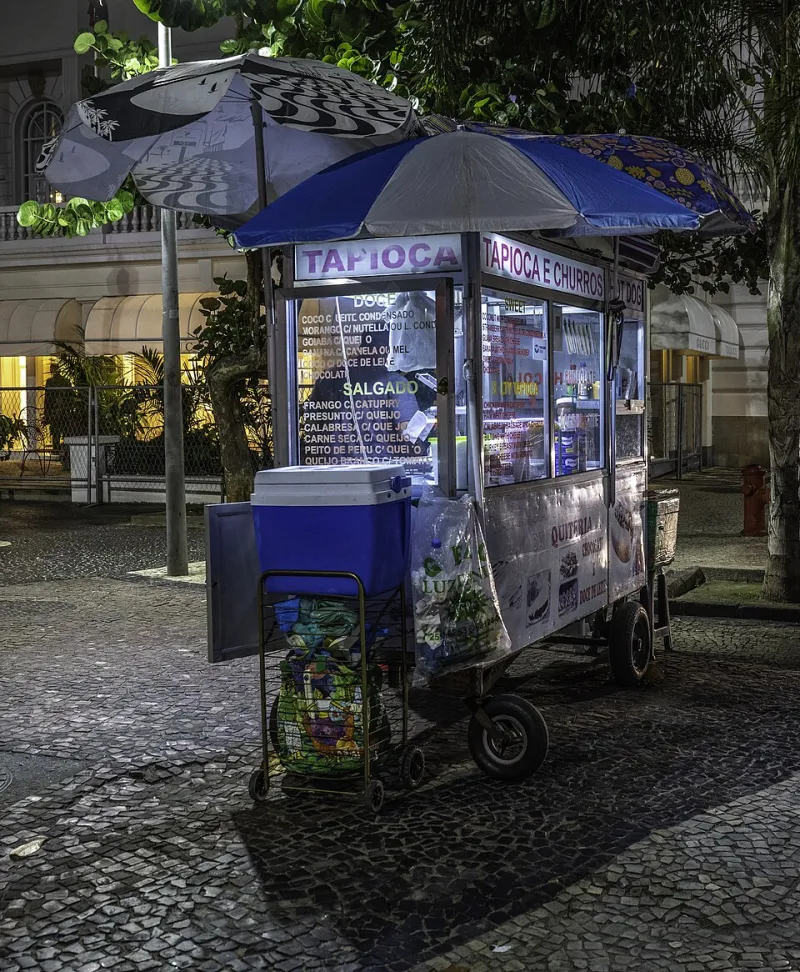
Photo: Wilfredor, CC0, via Wikimedia Commons
There's a moment at every small-town fiesta that nobody photographs: the vendor coordinator walking the midway at 6 a.m., clipboard in hand, counting carts. In Mesilla, New Mexico. In Yuma, Arizona. In the dusty squares of West Texas. That early-morning roll call is the real start of the party — because before a single band loads in, the churro carts have already paid the bills.
The $5 That Never Sits Still
Here's the math nobody thinks about while they're waiting for cinnamon sugar. A cart vendor might sell 400 churros on a Saturday night. At five bucks a pop, that's $2,000 in a single evening — and the majority of it leaves the cart the same weekend.
The town's parks department takes a vendor fee, often $150 to $300 for the night. The fiesta committee gets a slice for stage rental. The local Little League running the trash crew gets paid. The band that plays the 7 p.m. slot? Frequently paid out of the same pot the churro vendor fed that morning. By the time the fireworks company sends its invoice — and those run $8,000 to $15,000 for even a modest show — a meaningful chunk of the balance was built one fried-dough sale at a time.
"People think sponsors write the checks," one New Mexico festival organizer told me, laughing. "Sponsors get banners. The food vendors get us through July."
A Cart Is a Small Business, Not a Hobby
The vendors themselves are often the most financially committed people at the fiesta. A legitimate cart setup — propane fryer, commercial-grade dough extruder, health permit, fire inspection, liability insurance, canopy, generator — can run $6,000 to $12,000 before the first churro hits the oil.
That's why seasoned vendors treat festival season like a portfolio. A good summer means booking fifteen to twenty events across three or four counties, chasing the parade circuit in spring, the harvest festivals in fall. The best carts gross six figures. The average ones still clear enough to matter in towns where the median festival-goer isn't spending much anywhere else.
And unlike the touring carnival rides, that money mostly stays local. The vendor buys dough from a regional distributor, hires a niece to work the register, and fills up at the gas station on the edge of town. Economists call it the local multiplier. Fiesta people just call it how it's always been.
The Churro Advantage
Why churros and not, say, kettle corn or lemonade? Margins and logistics. A bag of flour-and-cinnamon ingredients costs pennies per serving. The product has no cold-chain requirements, survives a hot afternoon on a folding table, and — crucially — smells like a siren call. Vendors will tell you the scent does half the marketing. Nobody wanders past a fresh fryer and stays neutral.
There's also cultural gravity. In borderland towns from El Paso to Tucson, the churro isn't a novelty item; it's heritage food, the same recipe abuelas have been piping since before the festivals formalized around it. When a cart shows up, it signals that this fiesta is real.
When the Treat Funds the Tradition
The knock-on effects are easy to miss until you look. Those bleachers at the rodeo grounds? Rented with event revenue. The mariachi band that plays the kids' matinee for free? Paid a stipend from the vendor pool. The free face-painting booth that keeps families at the plaza until dark? Sponsored by the fiesta association, which is funded by booth fees, which are covered by churro sales.
Some towns have made it explicit. A few Arizona fiestas run a "community vendor fund," where a percentage of every food permit goes directly into next year's fireworks budget. Others let longtime vendors lock in reduced fees in exchange for helping with setup — a barter system that keeps costs down on both ends.
The Next Time You Order
None of this means you should feel guilty about your snack. It means the opposite: that five-dollar sleeve is probably the most civic purchase you'll make all weekend. Every churro is a micro-donation to the fireworks show, the stage lights, the band, the cleanup crew.
So the next time you're standing in line at dusk, sugar already drifting onto your shirt, remember what you're actually holding. It's not just dessert. It's infrastructure — crispy, cinnamon-dusted, and quietly holding up the whole celebration.