Coffee at Dawn: The 9 A.M. Festival Nobody Puts on the Poster
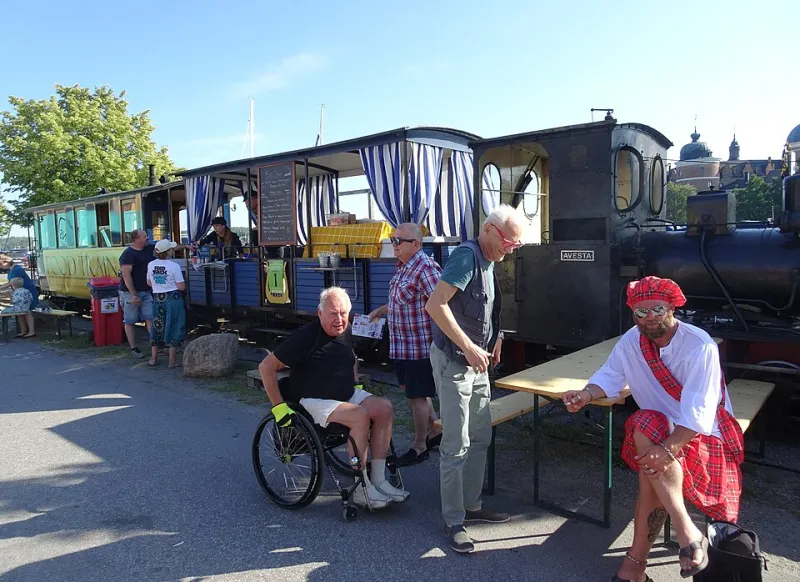
Photo: Holger.Ellgaard, CC BY-SA 4.0, via Wikimedia Commons
There's a moment at every multi-day festival that never makes the highlight reel. It's not the drop, not the fireworks, not the surprise guest. It's 9 A.M., when the food truck line smells like burnt coffee and sunscreen, and everyone in it looks like they survived something together.
Because they did.
The Shift Nobody Schedules
Festival programming ends around 2 A.M. What follows is a strange, unwritten second act. Some people crash in tents. Some wander the grounds in a daze, trading glow sticks for granola bars. And somewhere around 6 A.M., the vendors start their engines.
If you've never watched a breakfast burrito truck open at a festival, you're missing one of America's great quiet rituals. The propane hisses on. The first pot of coffee — always too weak, always gratefully accepted — gets brewed. And the sunrise survivors start drifting in, one squinting figure at a time.
These aren't the partiers from the posters. These are the people who stayed. And staying, it turns out, is its own kind of credential.
Strangers by the Porta-Potty, Friends by the Truck
Every veteran festival-goer knows the phenomenon: you meet your best friend of the weekend in the least glamorous line imaginable. The porta-potty queue at 7:30 A.M. is basically a mixer. Everyone's in the same boat — tired, dusty, a little humbled by the night before — and that shared vulnerability does in ten minutes what a name tag never could.
By the time you reach the coffee truck, you've got someone to split a breakfast plate with. By lunch, you've got a new crew for the next day's sets. By next year, you're texting about camping spots.
This is the part festivals can't manufacture and marketers can't fake. Community isn't built during the encore. It's built in the in-between hours, when there's nothing to do but be a person among other people.
The Sunrise Survivor Economy
There's a whole informal culture that blooms in festival mornings. People trade phone chargers like currency. Someone always has a bag of gas-station snacks and becomes a folk hero. Someone else has a phone full of blurry videos from the night before, and the whole line crowds around to reconstruct what happened.
It's a barter economy of small kindnesses, and it runs on one shared understanding: we're all in this until the gates close.
The morning line also flattens every hierarchy the weekend created. The person in the VIP wristband and the person who slept in a Honda Civic are equally wrecked, equally caffeine-dependent, equally delighted by a hot breakfast. There's a democratic quality to 9 A.M. that no tiered ticketing system can touch.
Why the Morning After Matters
Here's my argument, and I'll die on this hill: if you leave a festival before the last morning, you've only seen half the show.
The night is about the music. The morning is about the people. Strip away the lights and the sound and what's left is the actual reason festivals exist at all — a few thousand strangers deciding, over bad coffee and good breakfast tacos, that they're glad they came.
So next time, don't book the early flight home. Set an alarm. Shuffle to the truck line. Let the sun do its slow work on your headache.
The best story of your weekend is probably standing two spots ahead of you in line, holding a coffee, waiting to be told.