The Callers, the Quilts, and the Cakes: Meet the Elders Who Keep America's Festival Soul Alive
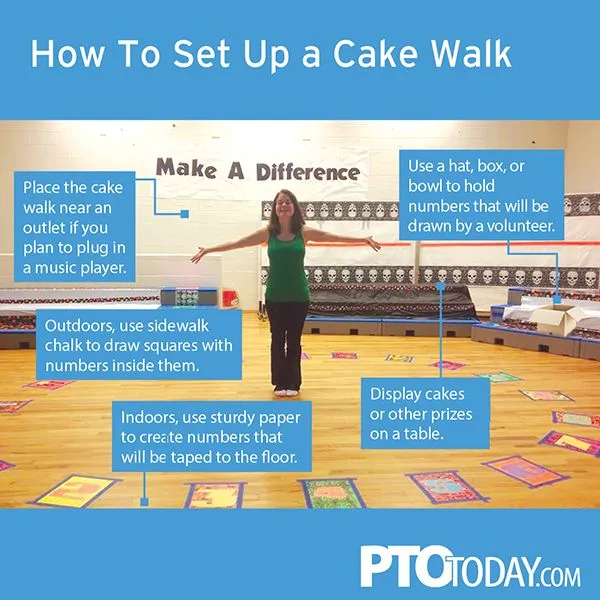
Photo: elderly woman calling cakewalk numbers at small town church festival with children on paper plates, via i.pinimg.com
Walk into almost any church picnic, harvest festival, or county fairground celebration across America, and you'll hear it before you see it: a warm, commanding voice calling out numbers over a crackling PA system while a circle of kids shuffle clockwise around a ring of paper plates. The cakewalk is still alive — and chances are, the person running it has been running it since before your parents met.
We wanted to know why these traditions endure, and more importantly, who's holding them up. So we talked to the elders — the callers, the quilters, the pie judges — and what they told us says more about American celebration than any headline act ever could.
Thirty-Six Years of Calling Numbers
Dorothy Jean Whitfield, 78, has run the cakewalk at her church's fall festival in a small town outside Waco, Texas, since 1988. She keeps the rules simple and the energy high.
"People think it's just walking in a circle," she laughs. "It's not. It's hope on a paper plate. Every kid out there is one number away from taking home a whole cake. You think they care about the band? They care about that number."
Dorothy Jean bakes the prize cakes herself — red velvet, German chocolate, a caramel cake that once caused a near-riot among the teenagers. She's turned down offers to "modernize" the game with digital spinners. "A number called by a person means something," she says. "A screen can't cheer for you."
The Quilt That Takes a Year to Give Away
Two states over, in a community hall in rural Indiana, the annual quilt raffle is the centerpiece of the summer festival. The quilt itself — hand-stitched over twelve months by a circle of women who call themselves the Thursday Night Needles — is raffled for five dollars a ticket.
Ruth Ann Kessler, 81, has organized the raffle for two decades. For her, the point isn't the money raised, though it helps keep the festival free to attend.
"Every stitch in that quilt is somebody's Tuesday," she told us. "When a young family wins it, they're not just winning fabric. They're joining something. And every year, one of the young mothers joins our circle. That's how it keeps going."
That's the quiet genius of these traditions: they recruit. The raffle isn't a transaction — it's an invitation.
The Pie Judge Who Takes No Bribes (and Exactly One Slice)
Over in the pie-judging tent at a county festival in Ohio, Marlene Ostrander, 74, has held the title of head judge for fifteen years. Her criteria are famously strict and famously her own.
"Flaky crust first. Always," she says. "You can hide a lot under a mountain of meringue, but the crust tells the truth."
Marlene has judged peach pies in August and apple pies in October, and she keeps a small notebook of every winner since 2009 — names, pies, and one-line reviews. "Someday a grandkid's going to find that notebook," she says. "And they'll know their grandma made the best buttermilk pie in three counties. That's a legacy you can't download."
Why the Small Stuff Is the Big Stuff
Here's what all three women have in common: none of them are trying to preserve tradition. They're just doing what they've always done, and tradition survives as a side effect.
That's the lesson for anyone planning a festival, a block party, or a backyard blowout. The headline act gets people through the gate. But the games, the rituals, the passed-down bits — those are what people talk about on the drive home. A cakewalk costs almost nothing to run. A quilt raffle takes volunteers and time. A pie contest needs nothing but a folding table and a judge with opinions.
And the payoff? Kids who grow up thinking this is what a party is — and who, thirty years from now, will be the ones calling the numbers.
Dorothy Jean put it best as we packed up our recorder: "One day I'll hand the microphone to somebody younger, and they'll call it wrong for a while, and that's fine. The party doesn't need to be perfect. It just needs to keep happening."
So this festival season, skip the merch line for ten minutes. Go find the cakewalk. Put your five bucks in the quilt raffle. Watch the pie judge work.
That's not the old stuff at the party. That's the soul of it.