Skip the Line, Skip the Drama: Why Knowing the Doorman Beats Knowing the DJ
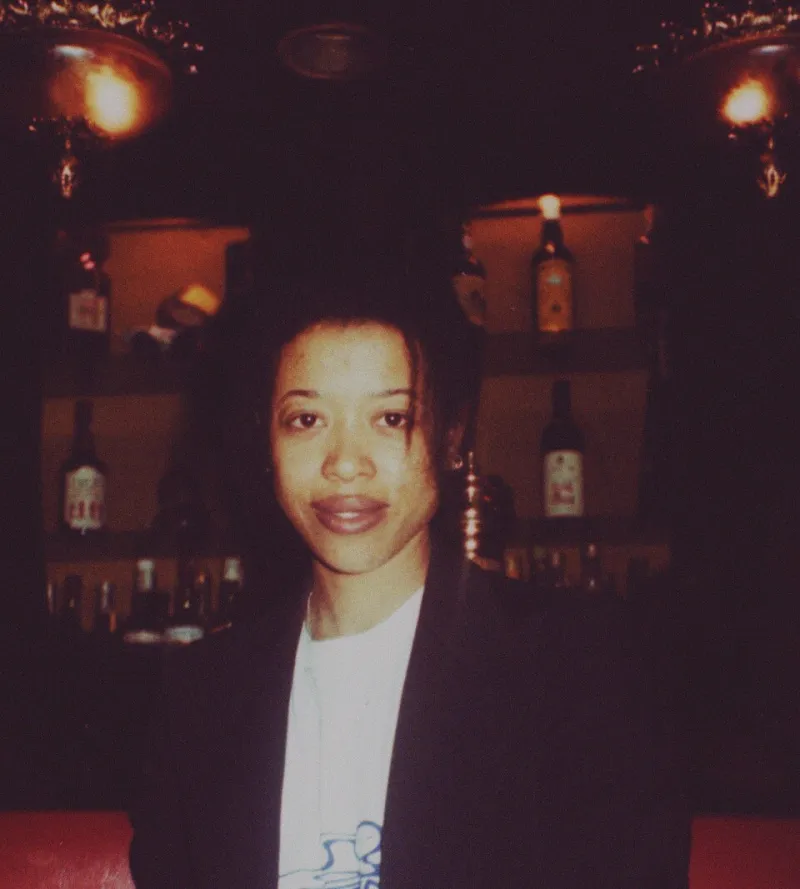
Photo: IthakaDarinPappas, CC BY 4.0, via Wikimedia Commons
Every friend group has one.
They're the person who texts you at 10:47 p.m. — three minutes after you've all agreed the line is 'probably two hours, honestly' — with a message that reads like a state secret: Side entrance. Ask for Dee. Wear the jacket, not the hoodie.
Twenty minutes later, you're inside. Your shoes never touched the sidewalk queue. Somewhere behind you, a bachelor party in matching shirts is still doing the math on how long they're willing to wait.
We call this person the insider, and in 2020s American nightlife, they've quietly become the most valuable member of any crew. Not the friend with the big apartment. Not the friend with the speaker. The friend who knows the door.
Access Is the New Flex
There was a time when status at a party meant the bottle at your table or the name on the reservation. That era hasn't vanished, but it's been joined by something more democratic and, frankly, more interesting: knowledge.
Knowing that the headliner doesn't actually go on until 1:15, no matter what the flyer says. Knowing which of the two entrances moves fast. Knowing that Tuesday is the night the cool staff actually shows up. None of this costs a dollar. All of it takes showing up, being decent to people, and paying attention.
In a culture where everyone can stream the same set and buy the same merch, the one thing you can't order online is being known. Insider status has become the social currency precisely because it can't be counterfeited. You either know the doorman or you don't.
What the Door Actually Sees
I spent a few weekends talking to the people who run the ropes — door staff at clubs in Austin, Chicago, and Brooklyn, plus a couple of festival gate managers — and the picture they paint is consistent.
"People think the list is about clout," one veteran doorman in Texas told me. "Mostly it's about memory. I remember who was cool at 2 a.m. last month. I remember who tipped the coat check. I remember who screamed at my coworker over a dress code. That's the whole system."
That's the part most partygoers miss: the insider economy runs on behavior, not connections in the corporate sense. The friend who knows every bouncer isn't working some shadow network. They've simply been a repeat, reliable, pleasant presence. They learn names. They follow the rules when it matters. They don't treat staff like furniture.
In other words, the most coveted social currency in American nightlife is earned through basic decency, compounded over time like interest. Try getting that from an app.
How to Become the Insider (Without Being Weird About It)
The good news is that this status is learnable. Nobody is born knowing which side gate has no line. Here's what the actual insiders do, per the people I spoke with:
- Go early once in a while. The crowd at doors-open is small, chatty, and full of staff. That's where relationships form.
- Learn names and use them. "Hey, how's it going, Dee" does more than any tip at the end of the night.
- Take the L gracefully. Get turned away once? Shake it off. The person who handles a no with class is remembered far longer than the person who handles a yes.
- Share the intel. Insiders who hoard knowledge become insiders of a group of one. The whole value of the currency is spending it.
- Never name-drop to the door. Every doorman I spoke with flagged this as the fastest way to lose standing. The list is theirs, not your friend's.
Why It Matters More at Festivals
This dynamic scales up beautifully. At a 40,000-person festival, insider knowledge isn't just about the door — it's about which stage clears out during the headliner, which food row moves at half the wait, where the quiet bathrooms hide, and what time the surprise second stage set tends to happen.
Festival veterans trade this information like baseball cards. And the festivals themselves, whether they admit it or not, depend on it: the insiders are the ones who arrive calm, spread good word-of-mouth, and come back next year. They're not just guests. They're unpaid ambassadors with better intel than the marketing team.
The Real Takeaway
Here's the thing worth sitting with: the party insider's power has nothing to do with exclusivity in the old, gated sense. It's the opposite. Their whole value comes from opening doors for other people.
The person who knows every bouncer isn't keeping you out. They're getting you in — and making the night better for everyone in the group chat while they're at it.
So the next time that 10:47 p.m. text arrives and the side door magically opens, take a second to appreciate what you're actually looking at: years of showing up, being kind to the staff, and treating every night like it matters.
That's not luck. That's a reputation. And unlike the line outside, there's no shortcut around it.