Before You Hear a Single Note: The Secret Scientists Who Design the Way a Fiesta Feels

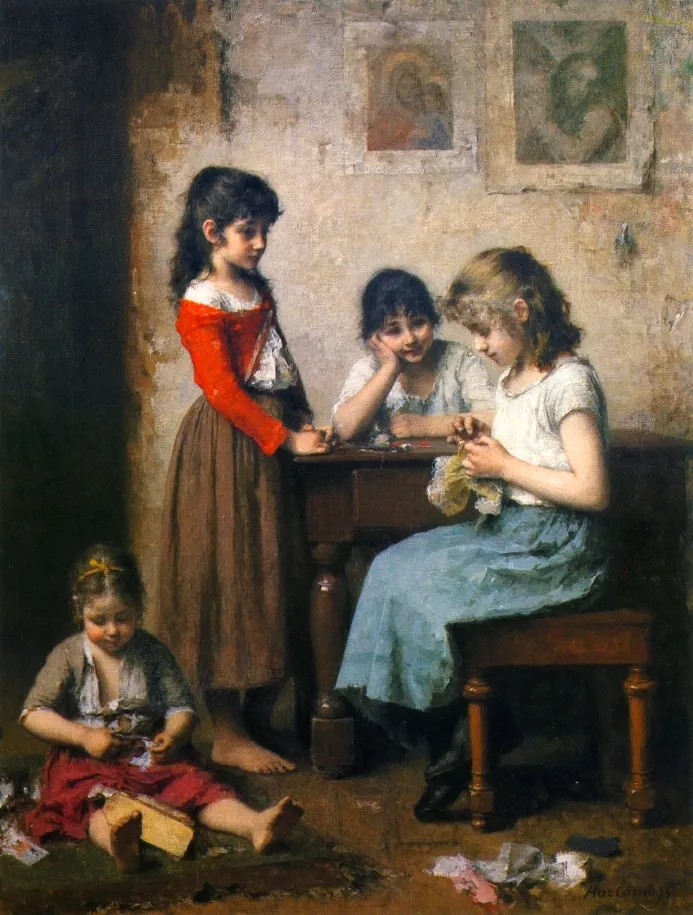
Photo: Vyacheslav Argenberg, CC BY 4.0, via Wikimedia Commons
Ask anyone about the best festival they've ever attended and they won't start with the lineup. They'll start with a feeling. The way the fog machine haze caught the laser beams over the crowd in Austin. The smell of grilled corn drifting over a county fairground in Iowa. The exact moment the stage lights shifted from amber to electric blue and ten thousand strangers screamed at the same time.
None of that is luck. It's design — meticulous, almost obsessive design — by a small army of sensory specialists most attendees will never think about. At Marui Fiesta, we believe every night becomes a celebration, so we went looking for the people who make sure of it.
The Field Isn't Empty. It's a Blank Canvas.
Dana Okafor, a stage designer who's built outdoor venues from Coachella-adjacent desert lots to small-town riverfront parks, puts it bluntly: "A field is the least romantic place on Earth until you give it a reason to exist."
Her process starts months before gates open, with something she calls "the walk." She visits the site at different times of day, noting where the sun sets, where the wind carries sound, where the ground dips. "The land already has a personality," she says. "My job is to listen to it before I ask it to hold a party."
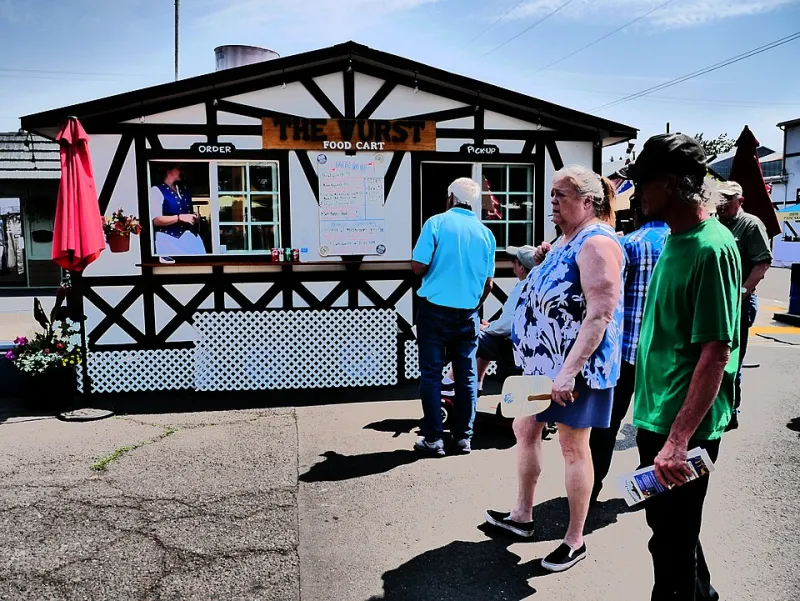
That's why some festival main stages face west — so the sunset becomes a free lighting cue. It's why food rows are often placed upwind of the crowd: the smell of smoked meat and cinnamon kettle corn becomes ambient marketing, pulling people toward vendors without a single sign.
Sound You Don't Just Hear — You Wear
Lighting gets the Instagram posts, but audio engineers will tell you the real magic is invisible. Delay towers placed hundreds of feet back ensure someone at the edge of a 5,000-person crowd hears the show at nearly the same moment as someone up front. Get it wrong and the sound smears into mud. Get it right and the entire field moves as one body.
There's a physiological reason bass-heavy sets feel transcendent. Low frequencies register in the chest, not just the ears — which is why a drop hits differently live than through earbuds. Engineers call the ideal zone the "sweet spot," but really, they're engineering a full-body experience.
And then there's silence. Veteran designers deliberately build quiet pockets — a shaded acoustic stage, a lantern-lit path — so the loud moments land harder. Contrast, they insist, is the whole show.
Light as a Storyteller
Lighting director Marcus Reyes describes his job as "writing with a flashlight." A set isn't lit; it's scored. Warm washes during ballads. Strobes timed to drum hits. A slow fade to near-darkness right before the encore, so when the lights bloom again, the crowd's roar doubles.
Reyes learned his craft on church pageants in Texas and now runs rigs for touring festivals. His one rule: never outshine the audience. "The best cue I ever wrote made the crowd the brightest thing on the field," he laughs. "The artist turned around to face us. That's when you know the design worked."
Smell: The Memory Hack Nobody Budgets For
Here's the detail that separates good festivals from legendary ones: scent. Neuroscientists have long known smell is the sense most tightly wired to memory. That's why, a decade later, one whiff of fried dough or citronella can drop you back onto a fairground like a time machine.
Smart organizers lean in. Some pipe subtle scent notes near entrances — think cedar, popcorn, even orange peel. Others simply protect the natural ones, routing generators away from food rows so the smoke tells the right story.
Designing for the Exit, Too
The best sensory architects think past the headliner. Pathway lighting that guides tired feet home. A slower tempo on the exit speakers, subconsciously calming the crowd. Even the walk to the parking lot gets choreographed, strung with string lights so the last memory is warm instead of weary.
Because in the end, that's the job: not building a stage, but building a memory. The next time a festival gives you chills for no reason you can name — you can thank the people who engineered every last sensation.